Innovative Strategies for Overcoming Challenges in Instructional Design: A Comprehensive Analysis
Estrategias Innovadoras para Superar los Desafíos en el Diseño Instruccional: Un Análisis Integral
1Ministerio de Educación, islamsalama1907@gmail.com, https://orcid.org/0009-0008-4250-5783, Ecuador
2Universidad Técnica de Babahoyo, silvanaceron.s@gmail.com, https://orcid.org/0009-0001-5637-7224, Ecuador
3Instituto Superior Tecnológico Babahoyo, carolinadelrocioceronsilva@hotmail.com, https://orcid.org/0009-0009-8754-8055, Ecuador
4Ministerio de Educación, dianaaceron.s@gmail.com, https://orcid.org/0009-0004-1294-3142, Ecuador
5Abogada en libre ejercicio, angela.ceron.s99@gmail.com, https://orcid.org/0009-0005-7692-0238, Ecuador
6Ministerio de Educación, roddysalazar.r@gmail.com, https://orcid.org/0009-0002-6020-7356, Ecuador
|
Información del Artículo |
|
RESUMEN |
|
|
Trazabilidad: Recibido 21-12-2024 Revisado 22-12-2024 Aceptado 01-01-2025
|
|
En este artículo se abordan algunos de los desafíos del diseño instruccional en relación con la escasez de recursos, la capacitación inadecuada de los docentes y la deficiente integración de la tecnología en la educación. El método adoptado es una combinación de revisión de literatura, estudios de casos y análisis de datos cuantitativos para la identificación de los principales problemas y soluciones creativas. Ejemplos de tales estrategias son los programas de capacitación de docentes, el uso de herramientas digitales interactivas y la optimización del tamaño de las clases. Los descubrimientos indican que el uso correcto de la tecnología podría generar ambientes de aprendizaje más favorables y una mayor implicación de los alumnos, mientras que la formación de los profesores mejora la calidad de la enseñanza. Este estudio tiene como objetivo principal conseguir los mejores resultados para los alumnos y reducir la brecha en la educación en contextos con escasos recursos, aportando de esta manera a un sistema educativo más justo y activo. |
|
|
Palabras Clave: Diseño instruccional Tecnología educativa Formación docente Herramientas digitales Resultados educativos |
|||
|
|
|||
|
Keywords: Instructional design Educational technology Teacher training Digital tools Instructional quality |
|
ABSTRACT This article addresses some of the instructional design challenges in relation to resource scarcity, inadequate teacher training, and poor integration of technology in education. The method adopted is a mix of literature review, case studies, and quantitative data analysis for the identification of major problems and creative solutions. Examples of such strategies are teachers' training programs, use of interactive digital tools, and optimization of class size. Findings are that proper application of technology could lead to better learning environments and increased learner engagement, while the training of teachers increases quality instruction. This research primarily seeks to get the best results for learners and to bridge the divide in education in resource-poor environments, thus serving a more equitable and dynamic education system.
|
||
|
||||
INTRODUCCIÓN
Instructional design has an important role to play in the enhancement of quality teaching and learning, but also faces its own set of challenges for many educational contexts. It is further heightened in resource-constrained contexts where there are limited exposures to technological tools, unavailability, or inadequate training, coupled with high student-teacher ratios. Such issues need to be addressed so that it will be an inclusive, active, and productive learning environment.
Theoretical Framework:
The following are some educational theories and principles that support the importance of instructional design: (Vygotsky, 1978) Sociocultural Theory emphasizes social interaction and resource accessibility for students' cognitive development. Likewise, (Piaget, 1976) Constructivist Approach emphasizes active and student-centered learning, for which technology and resources become important to construct knowledge. Also, the Communicative Language Teaching method underlines interaction, and digital tools enhance this.
Empirical Data and Previous Research:
Findings from the study portray the extent at which instructional design challenges some findings such as (Bottiani et al., December 2019, ) who records 30% drop-out classroom effectiveness in schools devoid of materials, explaining their burn-out and insufficiency in materials. In the Ecuadorian public schools, more than 60% of the teachers do not have a computer or any other technology tool with an internet connection. Moreover, about 45% of students cannot use virtual classes for economic and logistical reasons (Johnson et al., 2021). Such challenges restrict modern teaching methodologies in rural and poor areas.
Objectives of the Study:
The specific objectives of the study will be to:
- The major challenges of instructional design across diverse educational settings: issues related to resource availability, teacher preparation, and technological integration.
- Propose innovative solutions, including interactive technologies, teacher training programs, and classroom optimization strategies that may help overcome these challenges.
Assess such strategies for their effectiveness to improve engagement, academic performance, and overall instructional quality.
MATERIALES Y MÉTODOS
The Materials and Methods section follows with the detailed description of the research design, data collection, methods of analysis, and ethical considerations concerning the exploration of challenges about instructional design. This section is critical for ensuring the transparency, replicability, and reliability of the study and offers grounds for interpreting and generalizing the findings. The method used is equally rigorous as it is innovative, a true reflection of the complexity characteristic of contemporary instructional practices in modern educational contexts.
1. Study Design
This research would, therefore, adopt such a unified approach, integrating the qualitative and quantitative methodologies to give an expanded understanding of the challenges of instructional designs in modern educational settings. Such a combination of approaches allows for holistic analysis; hence the study can explore nuances of context-specific issues, and broader statistical patterns usefully inform instructional strategies.
· Qualitative Approach: Through a literature review and the case study analysis, challenges and solutions from the perspective of instructional design will be clearly elaborated. In this part, the researcher is enabled to elaborate on practical or real situations and theoretical frameworks that conceptualize those problems people face habitually, like resource issues and the integration of technology.
· Quantitative Approach: Quantitative Approach: Surveys were used to collect numerical data regarding the prevalence of instructional challenges; therefore, it would provide a measurable basis for identifying patterns and correlations in the effectiveness of proposed solutions.
This will ensure that both empirical evidence and theoretical insights into the findings of the study are combined in these two methodologies.
2. Sample Selection
The most important aspect of this study's methodology is thoughtful and deliberate sample selection. The sample was selected with a balance in geographic location, educational setting, and years of teaching experience to get a wide representation of challenges faced in instructional design (Hammond, 2020).
· Target Population: To prepare for both resource-rich and resource-poor scenarios, a sample size of 150 respondents comprising educators, instructional designers, and administrators from both public and private schools was chosen.
· Inclusion Criteria:
1. Those who work closely with instructional design or teaching.
2. Teachers from urban and rural areas ensure the study covers issues in both rich resource and resource-poor environments.
3. The addition of teachers and instructional designers allowed them to shed light on more general institutional issues.
· Sample Breakdown:
1. 80 teachers from urban public schools (53%)
2. 50 teachers from private schools (33%)
3. 20 instructional designers and administrators (14%)
The sample was deliberately chosen to be varied in nature to help explore context-specific challenges alongside universal issues regarding instructional design and thus generalize the findings across different educational contexts.
3. Data Collection Methods
A multi-phase process of literature review, case studies, and surveys was carried out for data collection to provide theoretical and empirical data.
Literature Review
The effect of instructional design is supported by a number of educational theories and concepts. In order to enhance students' cognitive growth, Vygotsky's Sociocultural Theory places a strong emphasis on the value of social contact and resource accessibility. In a similar vein, Piaget's Constructivist Approach emphasizes the need of student-centered, active learning, in which resources and technology are essential for promoting knowledge building. Furthermore, the Communicative Language Teaching (CLT) approach emphasizes the value of engagement, which is bolstered by digital tools that facilitate teamwork and communication (García & Kleyn, 2016).
Case Studies
It included two case studies that would provide practical insights into the real-world application of instructional design strategies. These case studies were chosen to point out contrasting educational settings:
1. Urban Public Schools: Most of these schools were poorly endowed with technological resources; the reports from teachers showed no reliable access to the internet-45%-and computers at 30%.
2. Private Schools: Private institutions, on the other hand, generally have better access to digital tools since only 10% of teachers reported resource limitations.
Case studies underlined the differences in instructional resources and gave specific examples of how such limitations impact teaching and learning outcomes.
Surveys
Quantitative data collection was primarily done through surveys. The survey tool consisted of 15 questions, divided into three main categories:
· Access to Resources (e.g., internet, computers, projectors).
· Teacher Training (e.g., frequency, type, and quality of training programs).
· Student Engagement (e.g., impact of digital tools on learning outcomes).
Survey Design:
· • The questions captured both objective data, like resource availability, and subjective data, like perceived effectiveness of instructional strategies.
· The survey was done online, allowing a wide participation across diverse regions.
4. Methods of Analysis
The data collected from both qualitative and quantitative sources were subjected to thorough analysis using appropriate statistical and thematic methods.
Qualitative Analysis
· Thematic Analysis: The data from the literature review and case studies were thematically analyzed to identify common patterns and themes across the texts collected. This approach helps extract insights in a more meaningful and constructive manner on the state of major instructional design problems and their proposed solutions present in the existing literature (Johnson et al., 2021).
Quantitative Analysis
· Descriptive Statistics: The study employed the use of descriptive statistical methods in summarizing the survey data by use of percentages, averages, and frequencies. This therefore gave an overview of the main challenges faced by educators.
· Inferential Statistics: Inferential statistical methods, for example, chi-square tests were used inmthe research of the relationship between variables like the use of technology in classrooms and teacher training.
· Data Visualization: These helped in representing complex data in a much simpler and understandable way to help communicate the results with a larger audience.
5. Ethical Considerations
Ethical consideration formed a great basis throughout the research process for the integrity of the study and the protection of its participants.
· Informed Consent: The aims of the study were made known to the participants, including how participation was purely voluntary. No data collection had begun before informed consent had been acquired.
· Anonymity and Confidentiality: The participants remained anonymous. All the survey data kept confidentiality to the fullest, while the data are also securely stored and used for the only purpose of the study.
· Transparency: The research was carried out in a very transparent manner, and the results were reported honestly without any bias. Its findings mirror the data gathered and show an accurate dimension of instructional design challenges.
· Right to Withdraw: Participants were guaranteed their right to withdraw from the study at their own discretion without any negative repercussions.
6. Limitations of the Study
Although the study provides significant insights, certain limitations must be acknowledged:
· Geographic Scope: his study was conducted in Ecuador, and hence, this might limit the generalizability of findings to other regions due to the variation in educational systems. Further studies should increase the sample space to include schools in different geographic regions to make the study more all-rounded.
· Self-Reporting Bias: The dependence on self-reporting within this survey data introduces response biases—eg, educators are likely to overreport resources available or the effectiveness of their training. Subsequent studies will hopefully merge the current self-reported data with objective measures to validate findings.
· Sample Size: The sample size of the study is satisfactory but could be increased to include more participants. The findings would be even stronger if the sample size was larger, especially when subgroups of teachers are being analyzed, such as those teaching different subjects or grade levels.
RESULTADOS
Survey Results
150 respondents with a range of educational backgrounds were given an online survey to complete in order to collect data for this study. There were fifteen questions in all, divided into three primary sections of the questionnaire:
- Access to Resources
- Teacher Training
- Student Engagement
The purpose of the survey was to gather both subjective opinions about teaching strategies and objective data, such the availability of resources. Below are the salient features of the survey's results:
Access to Resources
One of the major concerns revealed was access to technology. This was more marked in the case of public schools, which showed 45% of the teachers having no access to reliable Internet. Similarly, 30% of the teachers reported having no computer access available for classroom use.
Table 1: Access to Resources
|
Resource |
Percentage of Teachers Reporting Limited Access (%) |
|
No Internet Access |
45 |
|
No Computers |
30 |
|
No Projectors |
20 |
|
No Digital Tools (Apps) |
15 |
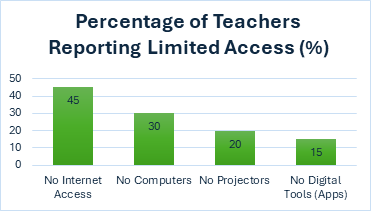
Graph 1: Access to Resources in Public Schools
Graph 1 shows that 45% of teachers from public schools reported having no access to the internet, and 30% did not have computers. The inaccessibility of complementary equipment, such as projectors and digital learning applications, aggravates these issues and makes teachers rely heavily on traditional teaching methods.
However, private schools showed a reverse side of the medal in their resources. Only 10% of teachers in private schools have noticed a lack of reliable internet; 5%, a computer. These results show there was a huge difference between the resources of public and private schools, which directly reflects on the quality of lessons.
Teacher Training
Another challenge found to be major by the survey was inadequate teacher training. The survey revealed that 60% of educators did not feel that they had received sufficient training in any instructional design methods, and 70% of teachers did not feel their professional development on technology integration was good enough.
Table 2: Teacher Training
|
Teacher Training Aspect |
Percentage of Teachers Reporting Insufficient Training (%) |
|
Instructional Design Methods |
60 |
|
Use of Technology in Teaching |
70 |
|
Classroom Management Techniques |
40 |
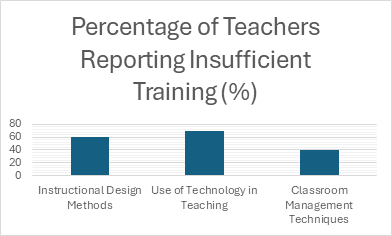
Graph 2: Teacher Training Deficits
Graph 2 shows that 60% of the teachers reported not enough training on methodologies of instructional design, while 70% stated they were not prepared to appropriately use technology in the classroom. This points to the urgent need for professional development programs aimed at both aspects: strategies and digital literacy.
In regard to student participation, the survey revealed that 45 percent of educators strongly feel that students do not take part in classroom activities due to a lack of motivating digital interaction tools. Teachers in resource-poor settings have stressed that the absence of current educational technologies is one reason students disengage.
Table 3: Student Engagement
|
Engagement Factor |
Percentage of Teachers Reporting Engagement Issues (%) |
|
Lack of Interactive Technology |
45 |
|
Large Class Sizes |
40 |
|
Student Motivation |
30 |
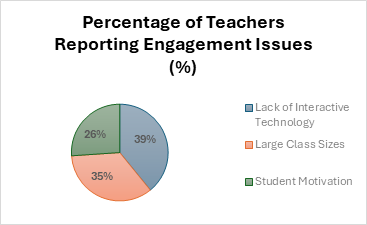
Graph 3: Factors Affecting Student Engagement
Graph 3 presents the factors that impede student engagement, according to teachers. It can be noticed that 45% of the teachers identify the absence of interactive technology as the major impediment, while 40% mention large class size as the next obstacle because it inhibits teachers from giving enough attention to every student.
DISCUSIÓN
The findings of this research are in agreement with earlier studies that have pointed out the challenges facing instructional design, especially in resource-limited settings. Inequity in resource distribution, a shortage of professional training among teachers, and lack of engagement among students are the commonly shared problems by educators in both developed and developing countries. The section below discusses the findings in light of the literature review and implications for instructional design improvement (Holmes et al., 2019).
Access to Resources
The inaccessibility of tools and resources is one of the major barriers to effective instructional designing. In Graph 1, it was indicated that 45% of public school teachers had no access to the internet, while 30% did not have a computer. These findings are congruent with the results of a study conducted by (Johnson et al., 2021), who indicated that more than 60% of teachers in public schools in Ecuador and other countries with similar setups experience challenges in accessing modern technological tools, such as computers and the internet.
These findings underline the digital divide between public and private schools. While private institutions are enjoying better resources, in the public system of education, chalk and board, printed materials, and face-to-face methods have to be the mode of teaching. This strong dependency on conventional tools highly diminishes the possibilities for interaction during learning, the interaction of students with each other, and instant feedback, which are highly crucial to deepening understanding and developing interest among children (Smith, 2022).
The lack of access to modern educational technologies also inhibits developing 21st-century skills like critical thinking, creativity, and collaboration in students. All these are not possible within technology-poor environments to engage with real-world issues and gain hands-on experience with tools that are essential in the workforce today.
Teacher Training
The other key issue is a lack of appropriate teacher training: 60% of the respondents reported that their training in instructional design was inadequate, while for technology integration, the figure was 70%. This corroborates the findings of (Bottiani et al., 2019), who noted that in poorly resourced settings, many teachers are deprived of professional learning opportunities regarding pedagogical approaches and technology use.
Ineffective teaching practices, coupled with a lack of confidence among educators regarding the use of digital tools, are partly brought about by the lack of adequate training. As indicated by (Piaget, 1976) Constructivist Theory, for active and student-centered learning, it is necessary that teachers be equipped with innovative teaching strategies and skillful use of technology in the classroom.
This, in effect, means that teacher training is very vital in creating flexibility and problem-solving skills among students. (Balza et al., 2022). The teacher needs to be equipped to manage the changing world of educational technology to effectively create an interactive classroom using digital media. However, the gap in training makes it difficult for teachers to use the available resources, especially in contexts with a resource limitation.
Student Engagement
The main problem disclosed in the research study is students' engagement. Teachers justify that in resource-poor schools, due to the absence of the use of interactive digital tools, students get disengaged for 45 percent of the time. The result corroborates (Vygotsky, 1978) Sociocultural Theory, which mentions that the cognitive development process cannot take place without social contact and collaborative learning. Without modern educational technology facilitation, students do not feel motivated toward active learning.
The findings again imply that large class sizes promote disengagement. In line with the visible learning study by (Hattie & Clarke, 2018), personalized attention and focused feedback have a great potential to enhance student outcomes; this is hardly possible in large class settings.
Students might stop being interested in lessons or become passive learners if they lack digital tools for interactive learning (Reddick, S. J., 2018). The study found the absence of interactive technologies to be one of the most prominent barriers to student engagement. Projectors, tablets, and other interactive learning tools are now considered important methods of increasing student engagement through more active learning.
Implications for Instructional Design
The findings of this study highlight holistic instructional design strategies that take into consideration both technological tools and pedagogical innovation. As (Anderson & Krathwohl, 2001) propose, effective instructional design should be in line with constructivist principles to foster student-centered learning environments where students will be engaged with the content. Instructional designers have to give flexibility, interactivity, and accessibility priority while developing curriculum and teaching strategies.
Effective instructional design must respond to students' needs, particularly in settings where access to resources is at a premium. Blended learning models, which combine face-to-face instruction with digital resources, may transcend some of the limitations imposed by traditional classroom settings.
CONCLUSIÓN
The results show that there is a considerable level of instructional design challenges at all levels of educational setting, which especially heighten the need for awareness and change of educational practices at resource-constrained educational environments. From this study, access to resources, teacher training, and student engagement appeared to be interlinked with a snowballing effect in creating roadblocks against the goal of effective education in teaching as well as in learning.
Among these, the most critical ones identified included a deficiency regarding access to technological resources such as the Internet, computers, and projectors. In this regard, data indicated that 45% of public-school teachers reported no access to reliable internet, and 30% lacked computers for classroom use. These resource limitations directly translate into limits within the instructors' ability to adopt innovative, modern instructional strategies with digital tools, thus limiting the opportunities of students to be engaged and learn. Contrarywise, private schools show a better situation in terms of access to resources, thereby underlining the difference between public and private educational institutions.
The study also found that a shortage of teacher training is among the major obstacles to effective instructional design. Sixty percent of educators reported that they were receiving inadequate training in instructional design methods, and 70% felt unprepared to integrate technology into their teaching practices. A lack of such professional preparation holds teachers back from rising to evolving pedagogical challenges and erodes their confidence to put innovative teaching methods into practice.
Another major challenge was low student participation: 45% stated disengagement due to lack of interactive digital tools. Finally, large class settings represented a factor reducing teachers' opportunities to provide personalized support in conditions of growing students' demotivation.
These findings are supported by the available literature and highlight resource disparities, better teacher training, and increasing student engagement as elements that are crucial to achieving improved instructional design practices. The results have highlighted a call for systemic changes in terms of equitable, inclusive, and dynamic learning environments.
.
REFERENCIAS
Anderson, L., & Krathwohl, D. (2001). A taxonomy for learning, teaching, and assessing : a revision of Bloom's taxonomy of educational objectives. Addison Wesley Longman. http://eduq.info/xmlui/handle/11515/18824
Bottiani, J., Duran , C., T. Pas, E., & Bradshaw , C. (December 2019, ). Teacher stress and burnout in urban middle schools: Associations with job demands, resources, and effective classroom practices. Journal of School Psychology, 77, 36-51. https://doi.org/https://doi.org/10.1016/j.jsp.2019.10.002
García, O., & Kleyn, T. (2016). ranslanguaging with Multilingual Students: Learning from Classroom Moments. Routledge.
Hammond, D. (2020). Watson in education: AI’s role in the future of learning. International Journal of Educational Technology, 49(3), 22-34. https://doi.org/https://doi.org/10.1016/j.ijet.2020.06.003
Hattie, J., & Clarke, S. (2018). Visible Learning: Feedback. Routledge. https://doi.org/https://doi.org/10.4324/9780429485480
Holmes, W., Bialik, M., & Fadel, C. (2019). Artificial Intelligence in Education. Promise and Implications for Teaching and Learning. Center for Curriculum Redesign.
Johnson , A., Phillips, D., Schochet, O., Martin, A., & Castle, S. (2021). To Whom Little Is Given, Much Is Expected: ECE Teacher Stressors and Supports as Determinants of Classroom Quality. Early Childhood Research Quarterly, 54, 13-30. https://doi.org/https://doi.org/10.1016/j.ecresq.2020.07.002
Munday, P. (2016). Duolingo como parte del curriculum de las clases de lengua extranjera. Revista Iberoamericana de Educación a Distancia, 19(1), 83-101. https://doi.org/https://doi.org/10.5944/ried.19.1.14581
Piaget, J. (1976). he Grasp of Consciousness: Action and Concept in the Young Child. Harvard University Press.
Plano Clark, V. (2017). Mixed methods research. The Journal of Positive Psychology, 12(3), 305-306. https://doi.org/https://doi.org/10.1080/17439760.2016.1262619
Reddick, S. J. (2018). Strategies that enhance student engagement in the community college learning environment. Doctoral dissertation, Walden Universit.
Smith, A. (2022). Visual supports in inclusive classrooms: Strategies for students with ADHD. Journal of Special Education, 45(2), 105-115.
Valverde, M. R., & Ortiz, G. R. (2023). Logros y lecciones de las experiencias en la gestión moderna durante la última década: una revisión sistemática. (Vol. 25). Revista Universidad y Empresa.
Vladimir Balza, F., Cardona A, D., & Romero, Z. (2022). LA ECONOMÍA DE COSTOS DE TRANSACCIÓN: UNA PERSPECTIVA TEÓRICA PARA LA INVESTIGACIÓN EN GESTIÓN DE OPERACIONES Y CADENAS DE SUMINISTRO. REVISIÓN CRÍTICA Y CONCEPTUAL. Revista de la Facultad de Ciencias Económicas y Empresariales, 22(1). https://doi.org/https://doi.org/10.24054/face.v22i1.1494
Vygotsky, L. S. (1978). Mind in society: Development of higher psychological processes. Harvard university press.
Williamson, B., & Eynon, R. (2020). Historical threads, missing links, and future directions in AI in education. Learning, Media and Technology, 45(3), 223-235. https://doi.org/https://doi.org/10.1080/17439884.2020.1798995