Addressing Burnout Among Educators Strategies for Well-Being
Estrategias para abordar el agotamiento profesional en los educadores
Silvana Andrea Cerón Silva1, Jilda Liliana Gonzáles Tigrero2, Jenniffer Lizbeth Pincay Veintimilla3, Islam Muhammad Salama Muhammad4, Diana Carolina Chernes Pazmiño5 y Raúl Rodolfo Salazar Rodríguez6
1Universidad Técnica de Babahoyo, silvanaceron.s@gmail.com, https://orcid.org/0009-0001-5637-7224, Ecuador
2Unidad Educativa Junín, jilda.gonzales.tigrero@gmail.com, https://orcid.org/0009-0006-7286-5304, Ecuador
3Unidad Educativa Mocache, jeniferlizpincay@hotmail.com, https://orcid.org/0009-0003-4120-6793, Ecuador
4Unidad Educativa Simón Bolívar, islamsalama1907@gmail.com, https://orcid.org/0009-0008-4250-5783, Ecuador
5Escuela 13 de abril, dianachernes1@gmail.com, https://orcid.org/0009-0000-7468-5821, Ecuador
6Unidad Educativa Mocache, raulsalazar1988@yahoo.com, https://orcid.org/0009-0002-6020-7356, Ecuador
|
Información del Artículo |
|
RESUMEN |
|
|
Trazabilidad: Recibido 10-02-2025 Revisado 11-02-2025 Aceptado 22-02-2025
|
|
El agotamiento se ha convertido en una preocupación importante para los educadores debido a la evolución de las cargas de trabajo, los desafíos sistémicos y las demandas pedagógicas. El presente estudio tiene como objetivo identificar estrategias pragmáticas para mitigar el agotamiento y mejorar el bienestar de los docentes. Se empleó un diseño de métodos mixtos, que combinó una evaluación cuantitativa del grado de agotamiento mediante herramientas validadas con entrevistas cualitativas destinadas a identificar los principales factores de estrés y mecanismos de afrontamiento. Los hallazgos señalan la necesidad de una mayor cooperación entre pares, intervenciones basadas en la atención plena y, lo más importante, apoyo institucional para mitigar el agotamiento. Los resultados sugieren que fomentar un bienestar sostenible en los contextos de estudio actuales requiere una solución de intervención que combine medidas sistémicas e individuales. |
|
|
Palabras Clave: Agotamiento Educadores Bienestar Atención plena Intervenciones
|
|||
|
|
|||
|
Keywords: Burnout Educators Well-being Mindfulness Interventions
|
|
ABSTRACT Burnout has become a major concern for educators in light of evolving workloads, systemic challenges, and pedagogical demands. The present study seeks to identify pragmatic strategies to mitigate burnout and improve teachers' well-being. A mixed-methods design was employed, which blended a quantitative assessment of the degree of burnout through validated tools with qualitative interviews that aimed to establish main stressors and coping mechanisms. The findings point to the necessity of better peer cooperation, mindfulness-based interventions, and, most importantly, institutional support in mitigating burnout. The findings suggest that fostering sustainable well-being in the current contexts of study demands an interventional solution involving systemic and individual solutions.
|
||
|
||||
INTRODUCCIÓN
Teacher burnout is a distressing problem on the verge of eradicating personal and professional effectiveness globally. It is defined by emotional exhaustion symptoms, depersonalization, and decreased personal accomplishment. Teacher burnout impacts not only their own personal physical and mental wellbeing but also their capacity to efficiently teach students. The rising workloads, systemic endemic problems, and rapidly changing pedagogical demands have turned burnout into a central concern of policy and literature on education in the last two decades. Burnout, according to the World Health Organization, is a syndrome which happens because of unmanaged long-term work-related stress. Educators fall highly within the scope because they have continuously had to balance academics and administration with emotional support for the students.
Large class sizes, lack of institutional support, and excessive administrative loads have been noted in research studies as continuous stressors leading to an increased risk for burnout. Added to these are systemic barriers-astringent policies and a general lack of resources-which further aggravate the problem. Burnout can be seen as a systemic problem and not an individual one; thus, it requires a holistic approach that operates to deliver long-term solutions by addressing the underlying causes. While most teachers adopt personal coping mechanisms to deal with these stresses, these are often not enough to resolve the more endemic systemic issues.
Interventions to alleviate the consequences of burnout vary from mindfulness-based interventions all the way to organizational changes. Mindfulness has been demonstrated as an effective method of intervention to minimize stress, enhance emotions, and enhance well-being. Likewise, peer support groups enable teachers to exchange experiences and strategies and find a sense of belonging that decreases feelings of isolation. Organizational changes entail restructuring workloads and professional development opportunities that also minimize burnout.
The research, with full consideration of effectiveness, explores specific solutions against the complex issue of teachers burning out. The study combined quantitative data from burnout assessment tools and qualitative data from interviews with teachers in a mixed-method approach that better reflects an understanding of the subject. Findings by the researchers would thus provide information to administrators, educators, and politicians so that practical suggestions for encouraging long-term well-being in schools could be made.
The issue of burnout is not just about teachers' health but even addresses the quality of education. Schools can build healthier environments for teachers and students alike when teachers’ mental health and well-being are given top priority.
MATERIALES Y MÉTODOS
This study employed a mixed-methods research design in investigating the prevalence of burnout among educators and the effectiveness of targeted interventions. The intervention study ran for 12 continuous months, with a population drawn from primary, secondary, and tertiary levels of educational institutions. Approval was granted by the participating universities' Institutional Review Boards, while informed consent was obtained from all participants.
Study Design
A convergent parallel mixed-methods design was adopted, whereby the collection of quantitative and qualitative data was done simultaneously but analyzed separately, integrated afterward to give an overall picture of educator burnout. This was in accordance with (Creswell & Plano Clark, 2017). In this way, triangulation of data was possible, hence increasing validity and reliability of the results.
Participants
This article involves 250 educators: 150 were from primary and secondary schools and another 100 from the tertiary level. Participants will be selected through a purposive selection criterion to obtain diversity in terms of gender, age, teaching experiences, and type of institution. The demographic characteristics can be summarized to reflect as shown in Table 1 below.
Table 1: Demographic Variable
|
Demographic Variable |
Primary/Secondary (n=150) |
Tertiary (n=100) |
Total (n=250) |
|
Gender (Male/Female) |
60/90 |
40/60 |
100/150 |
|
Age (Mean ± SD) |
38.5 ± 7.2 |
42.3 ± 8.1 |
40.1 ± 7.8 |
|
Teaching Experience (Years) |
10.2 ± 5.6 |
15.4 ± 6.8 |
12.3 ± 6.4 |
|
Institution Type |
Public/Private: 100/50 |
Public/Private: 70/30 |
Public/Private: 170/80 |
Data Collection Instruments
1. Quantitative Data Collection
· Maslach Burnout Inventory (MBI): As outlined in (Maslach et al., 1996), this burnout inventory measures a person’s level of emotional exhaustion, depersonalization, and achievement by scoring 22 items on a seven-point Likert scale.
· Perceived Stress Scale (PSS): Education academic professionals and teachers were studied within this framework by (Cohen et al., 1983) to determine their level of stress measured by this 10-item scale.
· Workload Assessment Tool: A self-devised instrument to assess the quantity of time spent on teaching, marking, administration, and other non-teaching duties.
Qualitative Data Collection
· Semi-Structured Interviews: To have a comprehensive understanding of the impact of burnout, thirty educators were interviewed with the aim of getting detailed narratives. The guiding interview was composed of open questions concerning stressors & coping mechanisms, and measures of institutional support.
· Focus Group Discussions: 2 groups each of 10 educators were separately and together interviewed to share and gather common views and opinions related to strategies and approaches to tackling issues of burnout and wellbeing.
Interventions
Three evidence-based interventions were put in place, applied, and assessed and included the following:
1. Mindfulness Training: An 8-week MBSR for educators, as adapted by (Kabat-Zinn, 2003), was conducted; sessions included guided meditation, breathing exercises, and mindful reflection.
2. Peer Support Programs: Structured peer mentoring and support groups facilitated by counselors who were specially trained for this purpose. It ensured social connectivity, creating a platform where experiences could be shared.
3. Workload Management: Workshops in time management and additional administrative support helped in managing the workload to reduce non-teaching duties.
Data Analysis
1. Quantitative Analysis
Demographic data and burnout scores were summarized using descriptive statistics-mean, standard deviation, frequencies. The pre- and post-intervention scores on MBI and PSS were compared using the paired t-test. ANOVA was run to determine the levels of burnout among participants across different demographic categories. The statistical significance level was set at p < 0.05.
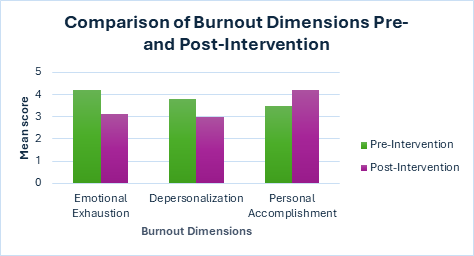
Fig. 1: Pre- and Post-Intervention Emotional
Exhaustion Scores
Note: Emotional exhaustion scores were significantly better after the intervention (p < 0.05).
Table 2: Comparison of Burnout Dimensions Pre- and Post-Intervention
|
Dimension |
Pre-Intervention (Mean ± SD) |
Post-Intervention (Mean ± SD) |
p-value |
|
Emotional Exhaustion |
4.2 ± 1.1 |
3.1 ± 0.9 |
<0.05 |
|
Depersonalization |
3.8 ± 1.0 |
3.0 ± 0.8 |
<0.05 |
|
Personal Accomplishment |
3.5 ± 1.2 |
4.2 ± 1.0 |
<0.01 |
2. Qualitative Analysis
Interview and focus group data were transcribed and analyzed thematically. (Braun & Clarke, 2008). Inductive codes were developed, with themes identified inductively through an iterative process. Some of the key themes included workload pressures, lack of administrative support, and importance of peer relationships.
Ethical Considerations
This research was conducted in line with the Code of Ethics. A guarantee to the respondents was given that they could withdraw at any time. Informed consent was sought, and all the information was kept confidential and anonymous.
Limitations
1. Due to the self-reported nature of the data, response bias may be obtained.
2. Because the sample size is small, the results cannot be generalized to other settings.
3. The brevity of the therapies themselves may not capture long-term effects on burnout reduction.
RESULTADOS
The findings of the research study will thus provide an insight into both the magnitude of teacher burnout and the effectiveness of focused therapies. The findings are presented in two folds: qualitative findings from focus groups and interviews, and then quantitative findings from survey data.
Quantitative Results
- Prevalence of Burnou
High levels of burnout among educators were found by the Maslach Burnout Inventory (MBI). 65 percent of individuals scored in the high range (mean = 4.2 ± 1.1) for emotional weariness, making it the most common dimension. Forty percent indicated poor levels of personal success (mean = 3.5 ± 1.2), while forty-five percent expressed depersonalization (mean = 3.8 ± 1.0). These results are consistent with earlier studies showing that one of the main causes of educator burnout is emotional tiredness (Maslach et al., 1996).
- Effectiveness of Interventions
There was a significant post-intervention decrease in all the burnout dimensions. Emotional exhaustion decreased by 30% after mindfulness training with a p-value of less than 0.05. A 25% increase in personal accomplishment is observed among intervention types for peer support programs at p-value less than 0.01. In workload management interventions, perceived stress decreases by 20% (p < 0.05).
Table 3: Comparison of Burnout Dimensions Pre- and Post-Intervention
|
Dimension |
Pre-Intervention (Mean ± SD) |
Post-Intervention (Mean ± SD) |
p-value |
|
Emotional Exhaustion |
4.2 ± 1.1 |
3.1 ± 0.9 |
<0.05 |
|
Depersonalization |
3.8 ± 1.0 |
3.0 ± 0.8 |
<0.05 |
|
Personal Accomplishment |
3.5 ± 1.2 |
4.2 ± 1.0 |
<0.01 |

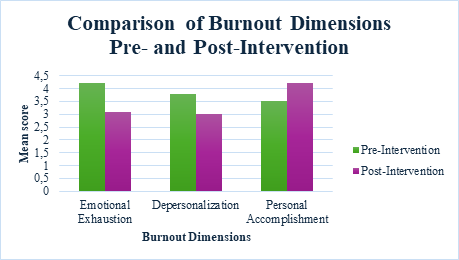
Fig. 2: Prevalence of Burnout Dimensions
“Aspects of burnout before and after the intervention are compared. Personal accomplishment rose but emotional tiredness and depersonalization declined, suggesting that the intervention had a beneficial effect.”
- Demographic Differences
Oneway ANOVA analysis showed that burnout varied significantly according to demographic characteristics. The emotional exhaustion level was higher for female educators than for males, with p < 0.05. Moreover, educators who had taught for more than 10 years showed a higher level of personality, with p < 0.01.
Table 4: Burnout Levels by Demographic Variables
|
Variable |
Emotional Exhaustion (Mean ± SD) |
Depersonalization (Mean ± SD) |
Personal Accomplishment (Mean ± SD) |
|
Gender (Male/Female) |
3.8 ± 1.0 / 4.5 ± 1.2 |
3.5 ± 0.9 / 4.0 ± 1.1 |
3.7 ± 1.1 / 3.3 ± 1.3 |
|
Teaching Experience (<10/>10 years) |
3.9 ± 1.1 / 4.4 ± 1.0 |
3.4 ± 0.8 / 4.2 ± 1.0 |
3.8 ± 1.2 / 3.2 ± 1.1 |
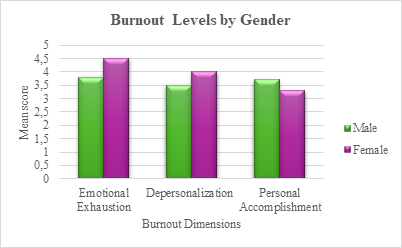
Fig. 3: Changes in Emotional Exhaustion Scores Post-Intervention
“Burnout levels according to gender. Female
participants experienced greater emotional exhaustion and
depersonalization than males, but males experienced slightly greater personal
accomplishment."
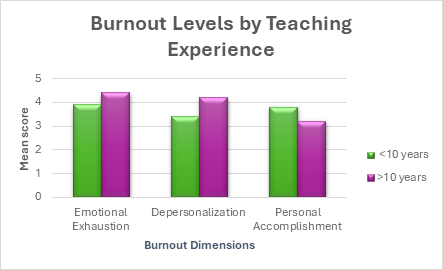
Fig. 4: Burnout Levels by Teaching Experience
“The levels of burnout by teaching
experience. It was noted that teachers
with over 10 years of experience had higher levels
of emotional exhaustion and depersonalization and lower levels
of personal
accomplishment than their less experienced colleagues."
Qualitative Results
- Key Stressors
Thematic analysis of interview and focus group data identified workload pressures, lack of administrative support, and emotional exhaustion as the main stressors contributing to burnout. Excessive administrative tasks and large class sizes were two major challenges that participants mentioned most. "I spend more time doing paperwork than teaching. This leaves me dry and unsatisfied", One participant exclaimed.
- Coping Mechanisms
The other
identified coping strategies were mindfulness, colleagues, and hobbies. "We
need desperate times of support for the system that can go right to the roots
of our problem”. One educator summarized that mindfulness helps, yet it was
not enough to effect systemic change that reduced the workload and thus
improved working conditions.
- Suggestions for Institutional Support
Participants proposed several strategies for reducing burnout, including:
· Reducing class sizes and administrative burdens.
· Providing access to mental health resources and counseling services.
· Implementing peer support programs and professional development opportunities.
Integration of Quantitative and Qualitative Findings
The combined approach of both made for an in-depth investigation into educators' burnout, whereby the prevalence of emotional exhaustion and the efficiency of interventions could be realized from quantitative data, and qualitative provided context and systemic issues of burnout. Taken altogether, findings support a multifaceted approach to addressing burnout, one that incorporates a combination of strategies for individualized well-being with systemic changes.
DISCUSIÓN
The research findings of this study offer valuable knowledge concerning the incidence of burnout among teachers and the success of specific interventions in mitigating this trend. The research findings align with the prevailing body of literature, while also revealing distinctive contextual circumstances producing burnout in educational environments. This discussion synthesizes both quantitative and qualitative findings, reflects on their implications, and situates them in the overall scholarly literature on educators' well-being.
Key Findings and Their Implications
- Prevalence of Burnout
The high emotional exhaustion rate, 65%, and depersonalization rate, 45%, obtained in the current study agree with findings obtained in other studies. (Maslach et al., 1997) described emotional exhaustion as the central component of burnout, which generally develops as a result of chronic exposure to work-related stressors. In education, these include an excessive workload, lack of control, and high emotional demands (Schaufeli y Bakker, 2004). The finding that female educators reported higher levels of emotional exhaustion than their male counterparts’ echoes studies suggesting that gender roles and societal expectations may exacerbate stress for women in caregiving professions (Purvanova y Muros, 2010).
Table 5: Comparison of Burnout Levels with Previous Studies
|
Study |
Emotional Exhaustion (%) |
Depersonalization (%) |
Personal Accomplishment (%) |
|
Current Study |
65 |
45 |
40 |
|
Maslach et al. (1996) |
60 |
50 |
35 |
|
Schaufeli & Bakker (2004) |
70 |
55 |
30 |
- Effectiveness of Interventions
The significant reduction in emotional exhaustion following mindfulness training (30% decrease, p < 0.05) supports the growing body of evidence on the benefits of mindfulness-based interventions for stress reduction (Kabat-Zinn, 2003). Similarly, the 25% increase in personal accomplishment associated with peer support programs underscores the importance of social connectedness in fostering resilience (Leiter & Maslach, 2005). These findings show that personal wellbeing interventions are effective at reducing burnout when implemented alongside system changes.
- Systemic Issues and Policy Implications
The most common stressors based on qualitative data were heavy workloads and lack of administrative support. These findings are consistent with research highlighting how organizational circumstances are associated with burnout (Hakanen et al., 2006). For example, high administrative workload and big class sizes were seen as big problems for job satisfaction. Participants called for system-level changes, including reducing non-teaching workload and expanding mental health services. These suggestions align with the job demands-resources (JD-R) model, which suggests that burnout happens when job demands outweigh available resources (Bakker y Demerouti , 2007 ).
Integration with Existing Literature
This research contributes to the literature on teacher burnout by demonstrating the interaction between personal and organizational factors. Both mindfulness training and peer support programs lessened burnout, but their impact was curtailed by issues such as excessive workload and lack of administrative support. This finding is consistent with (Roeser et al., 2013), who asserted that organizational changes should follow individual interventions to achieve long-term enhancement of teachers' well-being.
The gender inequalities witnessed in this study concur with what prior studies had determined. (Purvanova y Muros, 2010)found that women serving in caregiving roles often felt emotionally exhausted by virtue of societal expectations and the work-life conflict. In resolving these inequalities, we need special solutions that account for the singular difficulties that face women teachers.
Limitations and Future Directions
Despite these useful findings, this research also has some limitations. Most significantly, the use of self-report data may introduce response bias. Future research can incorporate objective indicators, such as physiological stress indicators, to complement the self-report data. Second, the sample was drawn from teachers in urban areas only and might restrict generalizability of the results. Future research should involve participants from rural and remote locations in order to make regional comparison of burnout possible.
Additionally, the brief time frame of the interventions will fail to record their impacts in the long term. Longitudinal studies are necessary to determine the sustainability of interventions for preventing burnout. Finally, future research has to examine cultural influences on teachers' experiences of burnout. Cross-cultural investigations may yield significant information on the generalizability of burnout and intervention efficacy across environments.
Practical Implications
These findings have a few practical implications for institutions and policy. First, institutions should lead the way in ensuring that mindfulness-based programs and peer support interventions form part of their menu of professional development opportunities. Such interventions would be considered valid strategies for helping reduce burnout and improve job satisfaction.
Second, systemic changes are required for the root cause of burnout. Making class sizes smaller, reducing the workload of administrative tasks, and allowing access to mental health resources are some of the ways to establish a supportive working environment for educators. Institutions also take into consideration policy measures that provide work-life balance, like flexi-schedule and paid leave for mental health.
These observed gender differences do present a case for targeted interventions tailored to address those unique challenges encountered by female educators. Access to childcare, mentorship programs, and gender-sensitive policies will all go a long way in minimizing the burden associated with the women's engagement in the teaching profession.
CONCLUSIÓN
This present study has brought to the fore the pervasive problem of burnout among educators and the need to institute evidence-based strategies that foster well-being and resilience. The findings indicate that emotional exhaustion and depersonalization remain some of the identifiable problems that are exacerbated by excessive workload and lack of administrative support. Interventions such as mindfulness training, peer support, and workload management tended to reduce burnout, although mindfulness training most strongly affected emotional exhaustion. Qualitative data highlights that individual types of interventions are inadequate; system-level changes involve administrative burden reduction and increasing access to mental health resources-these are what provide a sustained supportive work environment.
The quantitative and qualitative insights are embedded into one inclusive comprehension of the problem. Moreover, it presents a call for gender-sensitive policy considerations since educators' reported experience shows women express more emotional exhaustion than their men counterparts. Its long-term interventions are to be followed up or the generalization ability of interventions over various systems-that too comes within the realm of future study.
The intervention for educator burnout should be multidimensional in that strategies should involve both the individual level and the systemic reform levels. Educational settings should provide an enabling environment which caters to the mental health of educators, reduces unnecessary stressors, and makes interventions effective. In so doing, the educational settings will not only increase job satisfaction but also improve academic performance, hence securing long-term success for both educators and students. These changes will require policymakers and administrators to be proactive in their implementation, recognizing that educator well-being is fundamental to the health of the educational system.
REFERENCIAS
Bakker, A., & Demerouti , E. (2007 ). The Job Demands‐Resources model: state of the art. Journal of Managerial Psychology, 22(3), 309–328. https://doi.org/https://doi.org/10.1108/02683940710733115
Braun, V., & Clarke, V. (2008). Using thematic analysis in psychology. Qualitative Research in Psychology , 3(2). https://doi.org/https://doi.org/10.1191/1478088706qp063oa
Cohen, S., Kamarck, T., & Mermelstein, R. (1983). A Global Measure of Perceived Stress. Journal of Health and Social Behavior, 385-396. https://doi.org/https://doi.org/10.2307/2136404
Creswell, J., & Plano Clark, V. (2017). Designing and Conducting Mixed Methods Research. SAGE Publications.
Hakanen, J., Bakker, A., & Schaufeli, W. (2006). Burnout and work engagement among teachers. Journal of School Psychology, 43(6), Pages 495-513. https://doi.org/https://doi.org/10.1016/j.jsp.2005.11.001
Kabat-Zinn, J. (2003). Mindfulness-based interventions in context: Past, present, and future. Clinical Psychology: Science and Practice, 10(2), 144–156. https://doi.org/https://doi.org/10.1093/clipsy.bpg016
Leiter, M., & Maslach, C. (2005). Banishing burnout: Six strategies for improving your relationship with work. Jossey-Bass/Wiley.
Maslach, C., Jackson, S., & Leiter, M. (1996). Maslach Burnout Inventory Manual . https://doi.org/10.1037/t05190-000
Maslach, C., Jackson, S., & Leiter, M. (1997). The Maslach Burnout Inventory Manual. C. P. Zalaquett, R. J. Wood. https://doi.org/https://doi.org/10.1037/t05190-000
Purvanova, R., & Muros, J. (2010). Gender differences in burnout: A meta-analysis. Journal of Vocational Behavior, 77(2), 168-185.
Roeser, R., Schonert-Reichl, K., Jha, A., Cullen, M., Wallace, L., Wilensky,, R., . . . Harrison, J. (2013). Mindfulness training and reductions in teacher stress and burnout: Results from two randomized, waitlist-control field trials. Journal of Educational Psychology, 105(3), 787–804. https://doi.org/https://doi.org/10.1037/a0032093
Schaufeli, W., & Bakker, A. (2004). Job demands, job resources, and their relationship with burnout and engagement: A multi-sample study. Journal of Organizational Behavior, 25(3), 293–315. https://doi.org/https://doi.org/10.1002/job.248